Amnesty International’s Recharge for Rights report reveals glaring human rights violations in EV battery supply chains.
EV Industry Faces Human Rights Challenges
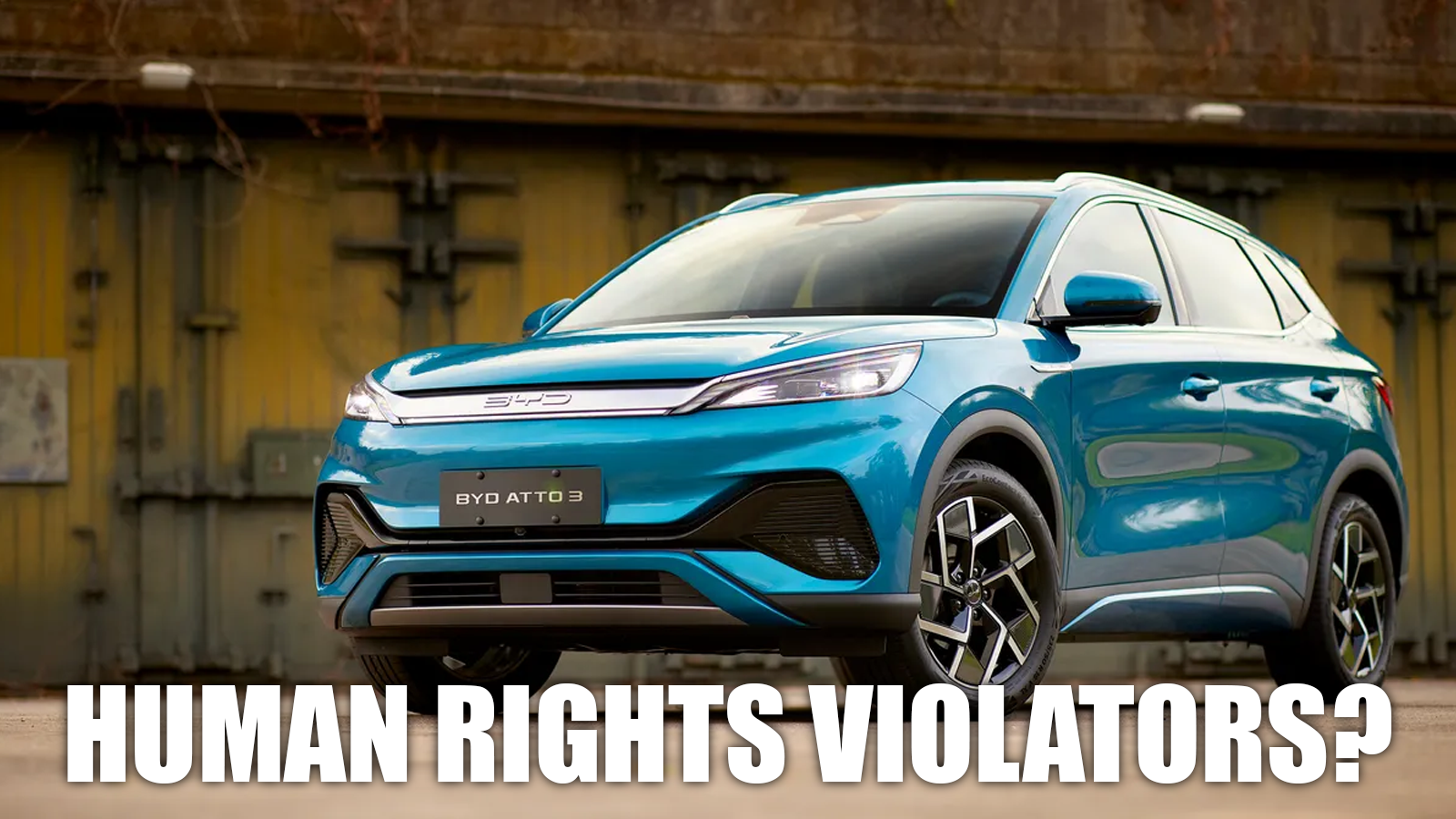
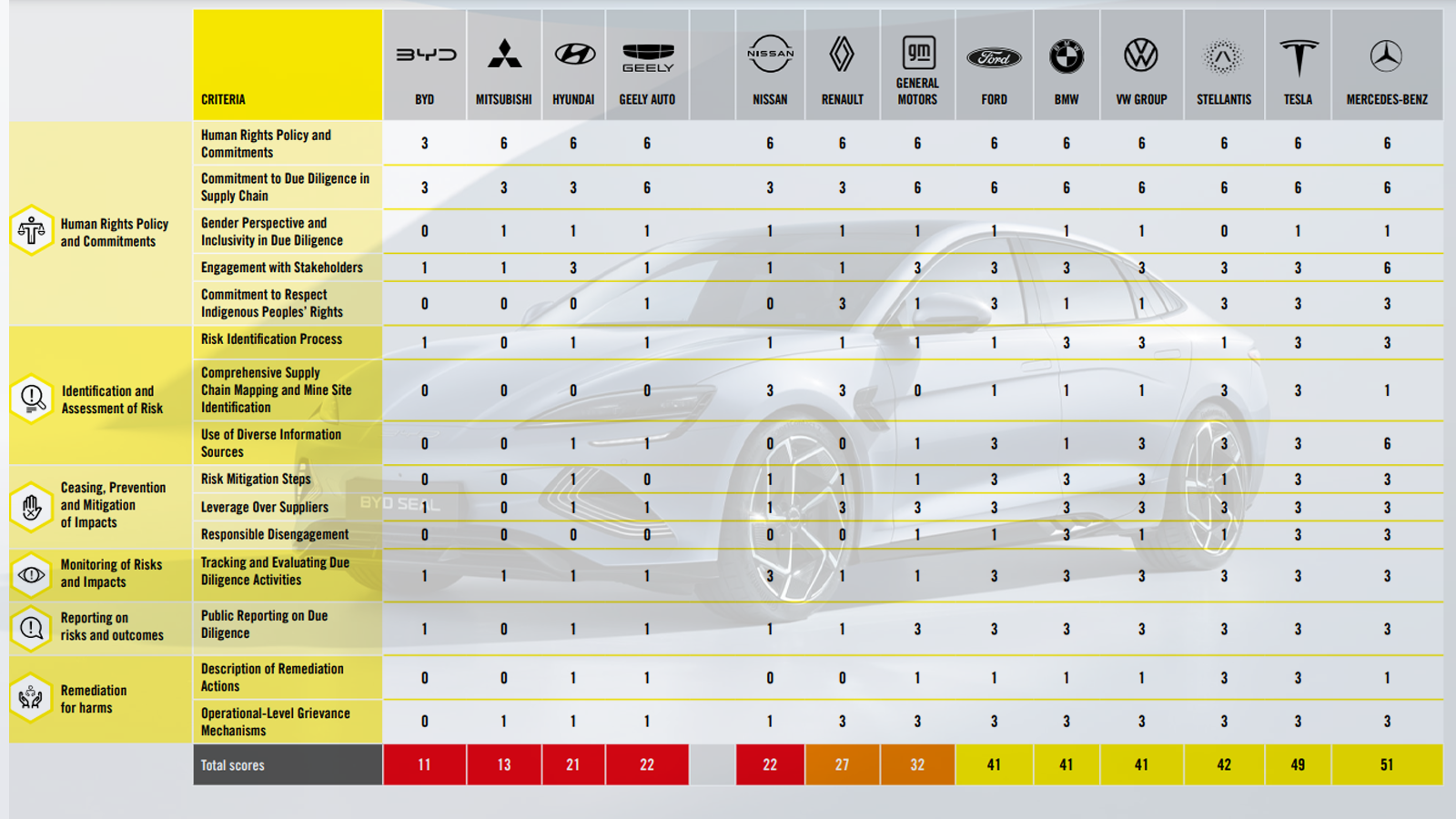
A report by Amnesty International has raised serious concerns about the human rights practices in the electric vehicle (EV) industry. The "Recharge for Rights" study assessed 13 automakers based on how they manage risks associated with the supply of critical minerals like lithium, nickel, and cobalt. BYD, the world's largest EV manufacturer, ranked last with a mere 11 points out of a possible 90, while Mercedes-Benz scored highest at 51 points. Despite these rankings, even the top performers fell short of Amnesty’s standards, which call for scores of 68 or more to demonstrate adequate commitment to human rights.
The Dark Side of EV Batteries
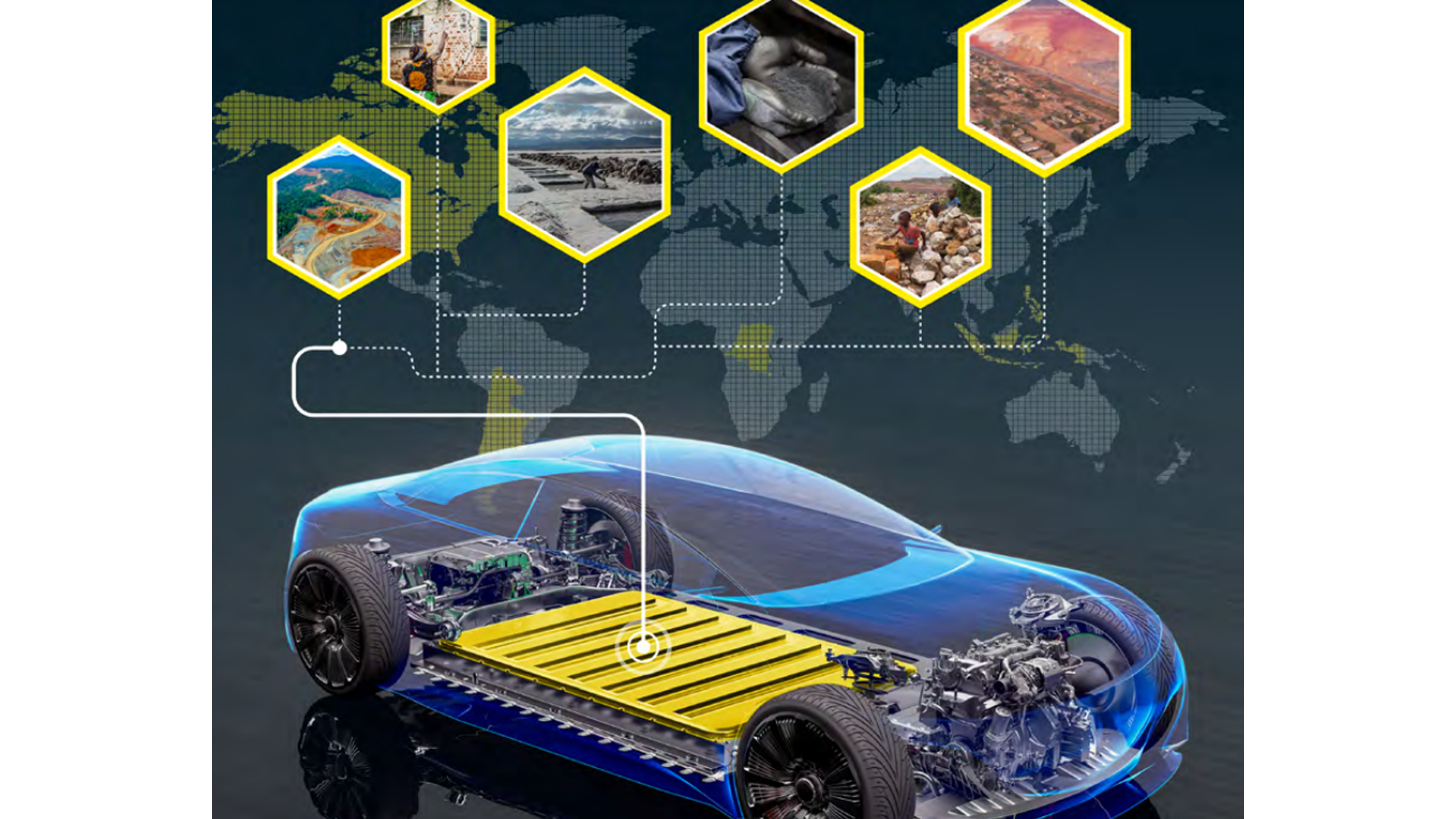
While EVs are touted as environmentally friendly, the batteries powering them rely on minerals that are often mined under grim conditions. Amnesty highlighted that cobalt mining, particularly in the Democratic Republic of Congo, is marred by severe labor abuses, including child labor. The DRC alone supplies 25% of the world's cobalt. Despite growing awareness, companies like BYD, Geely, Hyundai, and Mitsubishi failed to provide adequate transparency regarding their mineral supply chains, drawing sharp criticism from the report.
Lack of Transparency in Supply Chains
One of the key reasons for BYD's low ranking was its refusal to disclose the smelters, refiners, and mines involved in its supply chain. This lack of transparency was echoed by other companies, such as GM and Mitsubishi. In contrast, Tesla and Mercedes-Benz were among the few automakers demonstrating better supply chain mapping, an essential step in identifying and addressing human rights abuses.
The Role of Regulation and Consumer Awareness
The shift toward greater transparency has been partly driven by regulatory frameworks like the Corporate Sustainability Due Diligence Directive, which came into effect in Europe this year. These rules impose hefty fines and market restrictions on companies failing to meet supply chain welfare standards. According to Amnesty International’s Agnès Callamard, however, regulatory pressure alone isn’t enough. “It’s time to shift gears and ensure electric vehicles don’t leave behind a legacy of human rights abuses,” she urged.
A Call to Action for the EV Industry
Amnesty International's findings underscore the urgency for automakers to strengthen their human rights due diligence efforts. As the global demand for EVs continues to surge, automakers must ensure their commitment to sustainability extends beyond environmental goals to include ethical labor practices. Callamard concluded, “The industry must drive a just energy future that leaves no one behind.”